Most People Miss This Detail the First Time They Look at This Slice of Bread
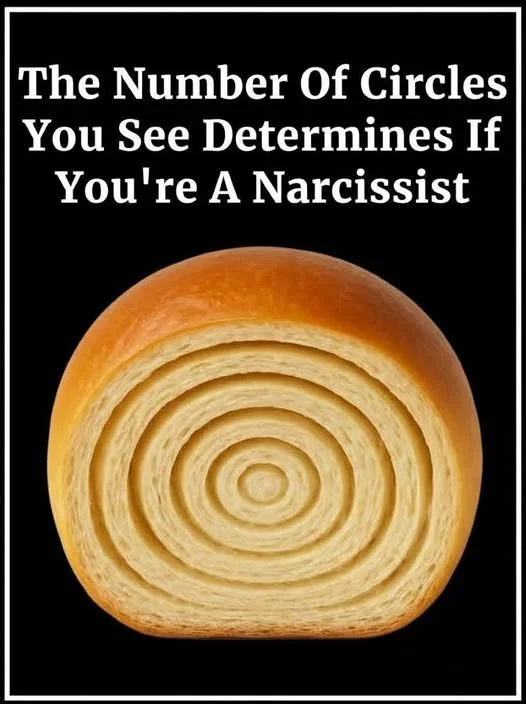
At first glance, the image seems completely ordinary. It shows nothing more than a slice of bread with several circular layers neatly arranged inside. Yet after only a few seconds, many people find themselves looking at the image again.
Some immediately notice the circular patterns. Others begin counting the rings or studying the textures and arrangement. Surprisingly, people often have completely different reactions while looking at the exact same picture.
This simple image has become another example of how visual illusions and observation challenges can capture attention and spark curiosity online.
Why Do Images Like This Become So Popular?
The internet loves simple puzzles and visual challenges.
Unlike difficult brainteasers that require complicated solutions, images like this invite people to slow down and simply observe. There is no pressure to get the “correct” answer.
Instead, viewers naturally begin asking questions:
- What am I supposed to see?
- Did I miss something?
- Why do other people notice different details?
This curiosity is exactly why observation challenges spread so quickly on social media.
Everyone Sees Things Differently
One of the most fascinating things about visual perception is that no two people process images in exactly the same way.
Some individuals naturally focus on the entire picture first. Others immediately begin studying small details.
For example:
- Some viewers notice the circles.
- Others focus on the bread’s texture.
- Some examine the pattern arrangement.
- Others simply see a piece of bread and move on.
Neither approach is right or wrong. It simply reflects how different minds process visual information.
The Science of Visual Perception
Our brains constantly make decisions about what information deserves attention.
When looking at an image, the brain quickly tries to:
- Recognize familiar objects.
- Detect patterns.
- Ignore unnecessary information.
- Focus on important details.
This process happens in a fraction of a second.
Sometimes the brain chooses the bigger picture. Other times it becomes interested in smaller details.
This explains why one person may immediately notice something that another person completely misses.
Why Observation Challenges Are Good for the Brain
Simple visual puzzles can encourage people to practice:
- Attention to detail
- Concentration
- Pattern recognition
- Mental flexibility
Many experts believe activities that challenge observation skills may help keep the mind active and engaged.
Even simple images can encourage us to slow down and think differently.
Why the Bread Image Is So Interesting
The slice of bread itself is not particularly unusual.
The real fascination comes from the different ways people interpret it.
Some people focus on:
- The circular layers
- The unusual arrangement
- The symmetry
- The texture
Others spend several minutes searching for something hidden.
This variety of reactions creates conversation and encourages people to compare their observations with others.
Social Media Loves Curiosity
Visual illusion images often become viral because they encourage interaction.
People enjoy asking:
- What do you see first?
- Did you notice this detail?
- Am I the only one seeing this?
These questions naturally invite comments and discussions.
Curiosity is powerful, and even a simple image can generate thousands of reactions online.
Why Ordinary Objects Can Look Different
Human perception is influenced by many factors, including:
- Experience
- Attention
- Mood
- Expectations
Sometimes we overlook details because our brains are focused on something else.
Then, after looking again, we suddenly notice something completely new.
This experience happens every day, not only with puzzles but also in real life.
Observation Shapes Understanding
The image serves as a reminder that what we notice often shapes how we understand the world around us.
Two people can look at the same object and focus on completely different details.
This doesn’t mean one person is more intelligent than another.
It simply highlights the amazing flexibility of human perception.
Why We Enjoy Visual Challenges
People enjoy these images because they provide a short moment of curiosity and discovery.
They encourage us to:
- Pause
- Observe carefully
- Think differently
- Compare perspectives
In a world filled with distractions, even a simple picture can become a refreshing mental exercise.
Final Thoughts
At first glance, the slice of bread appears ordinary. But its popularity shows something important about human nature.
People naturally enjoy looking closer, finding patterns, and discovering details they did not notice before.
Whether you immediately focused on the circular design or simply saw a piece of bread, the image offers a gentle reminder that observation influences understanding.
Sometimes the most fascinating reactions do not come from complicated ideas. They come from ordinary images that encourage us to pause, loo
FAQ Schema
Why do people notice different things in the same image?
People process visual information differently based on attention, experience, and thinking styles.
Is this image a real personality test?
No. It is mainly an observation challenge designed for entertainment and curiosity.
Why are visual illusions so popular?
They encourage people to slow down, observe carefully, and compare perspectives with others.
Can observation skills be improved?
Yes. Activities like puzzles and visual challenges may help improve attention to detail.
Disclaimer: This article is intended for entertainment and educational purposes only. Visual observation challenges and illusion images are not scientific assessments of intelligence, personality, or cognitive ability.