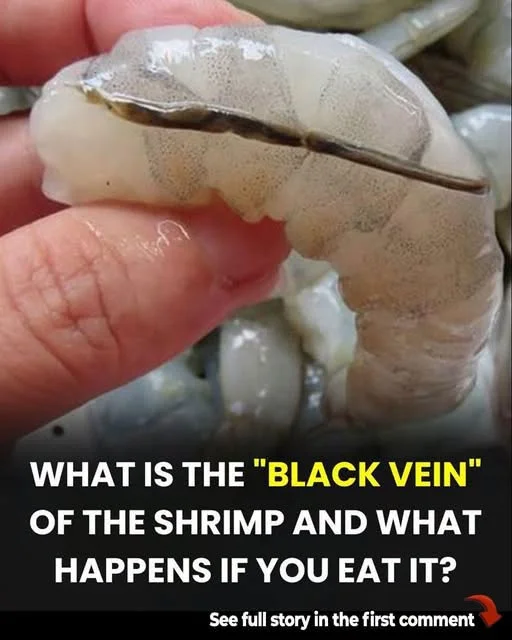
The black line in shrimp, often called a “vein,” is actually its digestive tract or intestine. It may contain sand, sediment, or undigested food, but eating it isn’t dangerous if the shrimp is properly cooked, as heat kills any harmful bacteria. The concern is more about texture and flavor; it can be gritty or slightly bitter.
For larger shrimp, it’s recommended to remove the vein as it’s more visible and likely to contain debris. In smaller shrimp, it’s often left intact since the impact is minimal. If you’re preparing delicate dishes like ceviche or aiming for a clean presentation, it’s best to remove it.
To remove the vein, make a small cut along the shrimp’s back, lift the vein with a knife tip, and rinse the shrimp under cold water.
While it’s not harmful, whether to remove the vein depends on personal preference for taste and presentation.
Website Disclaimer
The information provided on this website is for general informational and educational purposes only. While we strive to ensure that all content is accurate and up to date, we make no guarantees regarding the completeness, reliability, or accuracy of any information published.
The views and opinions expressed in articles belong to their respective authors and do not necessarily reflect the views of this website. Any action you take based on the information found on this website is strictly at your own risk. We will not be liable for any losses, damages, or inconveniences arising from the use of our content.
Some articles may contain opinions, third-party information, or external links. We do not endorse or guarantee the accuracy of content on external websites and are not responsible for their practices or policies.
All content on this website is provided in good faith and is intended for informational purposes only. Readers are encouraged to verify information independently and seek professional advice where appropriate.