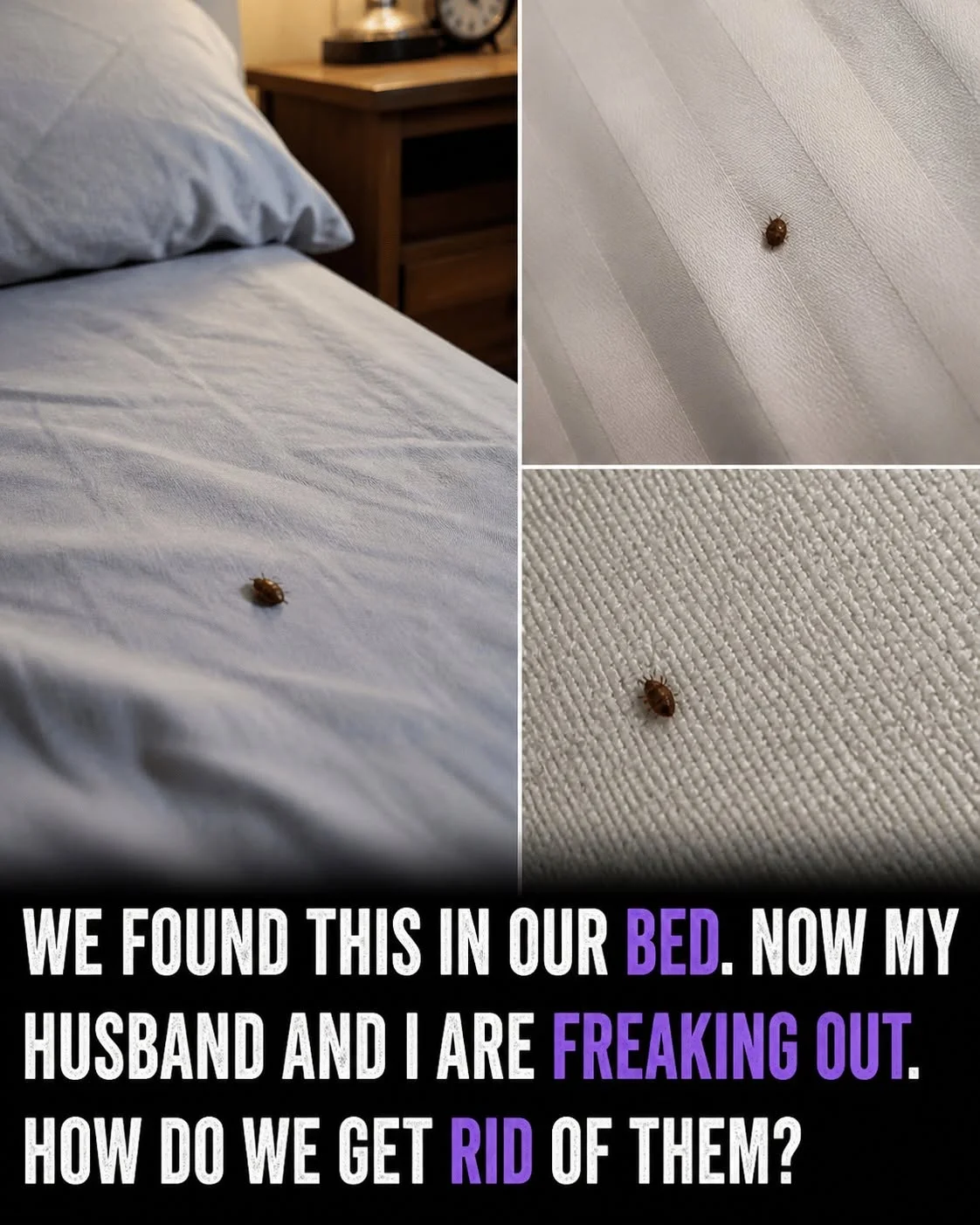
Found a Tick in Your House? Here’s Exactly What You Should Do
Discovering a tick inside your home can be alarming. Unlike many insects that are simply annoying, ticks can pose genuine health concerns because some species carry diseases such as Lyme disease and Rocky Mountain spotted fever. While finding a single tick indoors does not always mean you have an infestation, it is important to act quickly and carefully.
Understanding what to do if you find a tick in your house can help protect your family, pets, and home from unnecessary risks.
Why Are Ticks Dangerous?
Ticks are tiny parasites that feed on the blood of animals and humans. They are commonly found in grassy areas, wooded regions, and places where pets spend time outdoors.
Some ticks can carry harmful bacteria and viruses. Although not every tick carries disease, it is always best to treat any tick encounter seriously.
Common health concerns linked to ticks include:
- Lyme disease
- Rocky Mountain spotted fever
- Ehrlichiosis
- Anaplasmosis
The risk depends on the species of tick and the region where you live.
How Do Ticks Get Inside the House?
Many people wonder how ticks end up indoors.
Common ways ticks enter homes include:
- Pets bringing ticks inside after outdoor activities
- Ticks attaching to clothing or shoes
- Camping or hiking equipment carrying ticks indoors
- Wildlife such as mice or birds near the home
Finding one tick does not necessarily mean there are more, but it is wise to inspect your surroundings carefully.
Step 1: Identify the Tick
If possible, try to determine what type of tick you found.
Common species include:
- Black-legged tick (deer tick)
- American dog tick
- Brown dog tick
Knowing the species can help determine potential health risks. However, avoid handling the tick directly with your bare hands.
Step 2: Keep Children and Pets Away
If you discover a tick in a specific room or area, keep children and pets away until the situation is under control.
This simple step can prevent the tick from attaching to another person or animal.
Step 3: Wear Protective Clothing
Before handling the tick, take a few precautions.
Experts recommend:
- Wearing disposable gloves
- Using long sleeves if possible
- Avoiding direct skin contact
Ticks can be small and easy to miss, so protecting yourself is important.
Step 4: Safely Remove the Tick
If the tick is crawling and not attached, carefully pick it up using tweezers or tissue paper.
If the tick has attached to the skin:
- Use fine-tipped tweezers.
- Grasp the tick as close to the skin as possible.
- Pull upward slowly and steadily.
- Do not twist or jerk the tick.
Twisting can cause parts of the tick to remain in the skin.
After removal:
- Clean the bite area with soap and water.
- Apply rubbing alcohol if available.
- Wash your hands thoroughly.
Step 5: Dispose of the Tick Properly
Never crush a tick with your fingers.
Safer disposal methods include:
- Placing it in alcohol
- Sealing it in a plastic bag
- Wrapping it tightly in tape
- Flushing it down the toilet
Proper disposal helps prevent accidental contact.
Step 6: Clean the Area Thoroughly
Cleaning is one of the most important steps after finding a tick indoors.
Be sure to:
- Vacuum carpets and furniture.
- Clean corners and cracks.
- Wash clothing and bedding in hot water.
- Dry items on high heat.
High temperatures help kill ticks and their eggs.
Inspect Your Pets
Pets are one of the most common ways ticks enter the home.
Check your pets carefully around:
- Ears
- Neck
- Between toes
- Under collars
- Around the tail
Speak with your veterinarian about tick prevention products if your pets spend time outdoors.
Watch for Symptoms After a Tick Bite
Most tick bites do not cause serious illness, but it is important to monitor your health.
Watch for symptoms such as:
- Fever
- Fatigue
- Headache
- Muscle aches
- Skin rash
Seek medical advice if symptoms appear after a tick bite.
How to Prevent Ticks From Coming Into Your Home
Prevention is always easier than dealing with ticks after they appear.
Simple prevention tips include:
Check Yourself Outdoors
Inspect your clothes and body after hiking or gardening.
Wear Protective Clothing
Long sleeves and long pants can reduce exposure.
Keep Grass Short
Ticks thrive in tall grass and overgrown areas.
Use Pet Prevention Products
Tick collars and veterinarian-approved treatments can help protect pets.
Vacuum Regularly
Frequent cleaning reduces the chances of ticks surviving indoors.
When Should You Call a Professional?
If you continue finding ticks in your home or suspect an infestation, it may be time to contact a professional pest control service.
Professional help may be necessary if:
- Multiple ticks are found repeatedly.
- Pets are constantly bringing ticks indoors.
- Wildlife is entering your property.
- You suspect ticks have established themselves inside the home.
Final Thoughts
Finding a tick in your house can be unsettling, but staying calm and taking the right steps can greatly reduce risks.
Remember these key points:
✔ Identify the tick if possible.
✔ Keep children and pets away.
✔ Remove the tick safely.
✔ Clean the area thoroughly.
✔ Monitor for symptoms.
✔ Take preventive measures to avoid future encounters
Disclaimer: This article is for educational purposes only and should not be considered medical advice. If you experience unusual symptoms after a tick bite, consult a healthcare professional promptly.